
How to Choose the Right Type of Drill for Different Materials
In the field of precision machining, selecting the right type of drill bit is a key step in ensuring machining efficiency, accuracy and cost-effectiveness. The physical properties of different materials vary significantly, which puts forward completely different requirements for the material, geometric parameters and cooling method of the drill bit. This paper will systematically analyze the drill selection logic of common materials, and discuss how to achieve precision cutting with the help of cutting spindles and cutting motors from professional manufacturers such as YSA in high-end manufacturing scenarios.
Bit Matching Strategy for Metal Materials
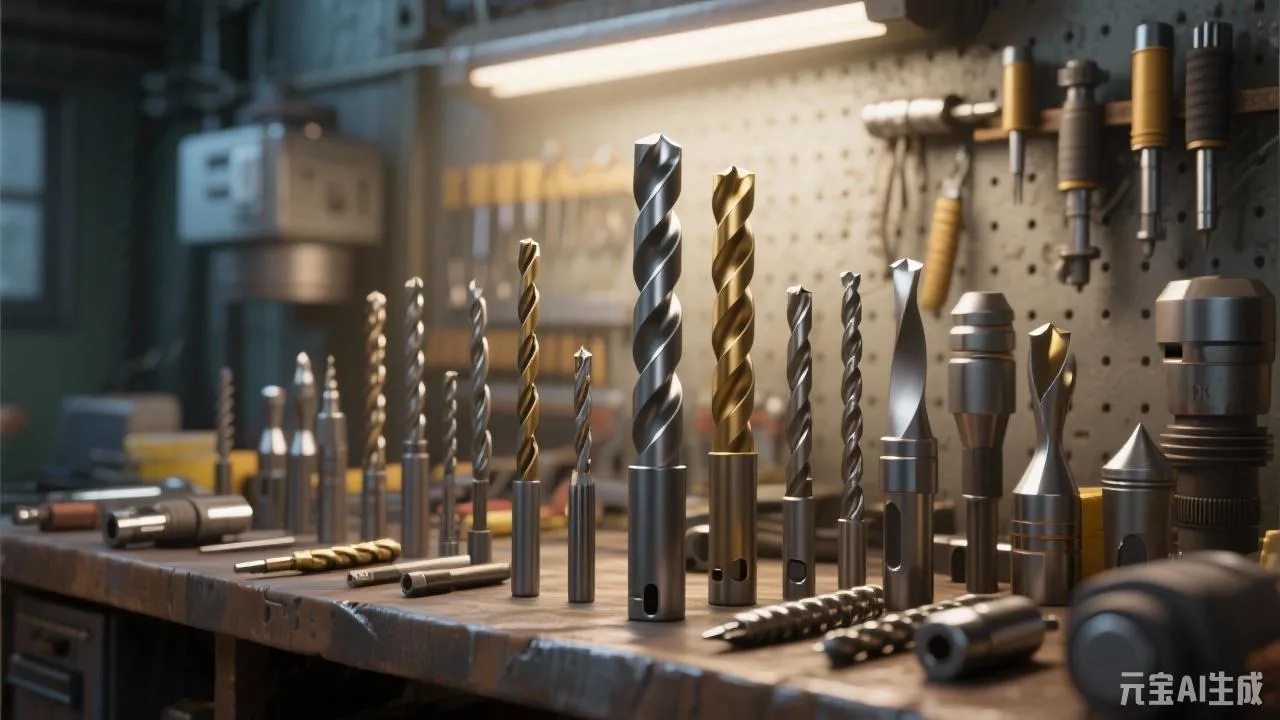
Metal processing is the core of industrial manufacturing, according to the hardness can be divided into three categories. Soft metals such as aluminum, copper, low hardness but easy to stick to the knife, need to choose cobalt-containing high-speed steel (M42) or diamond coated drill, spiral angle should be large (35-40) to facilitate chip removal, speed control in 1000-2000r/min. Medium hard metals such as ordinary steel, cast iron, face work hardening problems, recommended YG6X carbide drill (top angle 135) or M42 cobalt-containing high-speed steel drill, and with emulsion cooling. Hard metals are represented by stainless steel, titanium alloy, high hardness, poor thermal conductivity, easy to lead to rapid tool wear. YG8 carbide bit (top angle 130) or special short transverse edge bit should be used, the speed should be greatly reduced to 30-60r/min, and extreme pressure cutting fluid should be used.
Special solutions for non-metals and composites
Non-metallic materials have different characteristics. Plastics (such as PVC, ABS) are prone to overheating and melting when drilling. High-speed steel drills with large helix angles should be selected, and the speed should be reduced. If necessary, kerosene cooling should be used. Wood processing requires a well-centred and accurate drill bit, such as a double-pointed woodworking bit, to prevent delamination. Stone (marble, granite) has extremely high hardness, and must use a PDC diamond bit or a TCT impact drill bit to deal with low speed (20-40r/min). Composite materials such as carbon fiber reinforced plastics (CFRP), the fiber structure can easily lead to delamination. A PCD-coated double-top angle drill bit should be used to cut the fibers with a micro-tooth structure.
The role of precision cutting and high-end power units
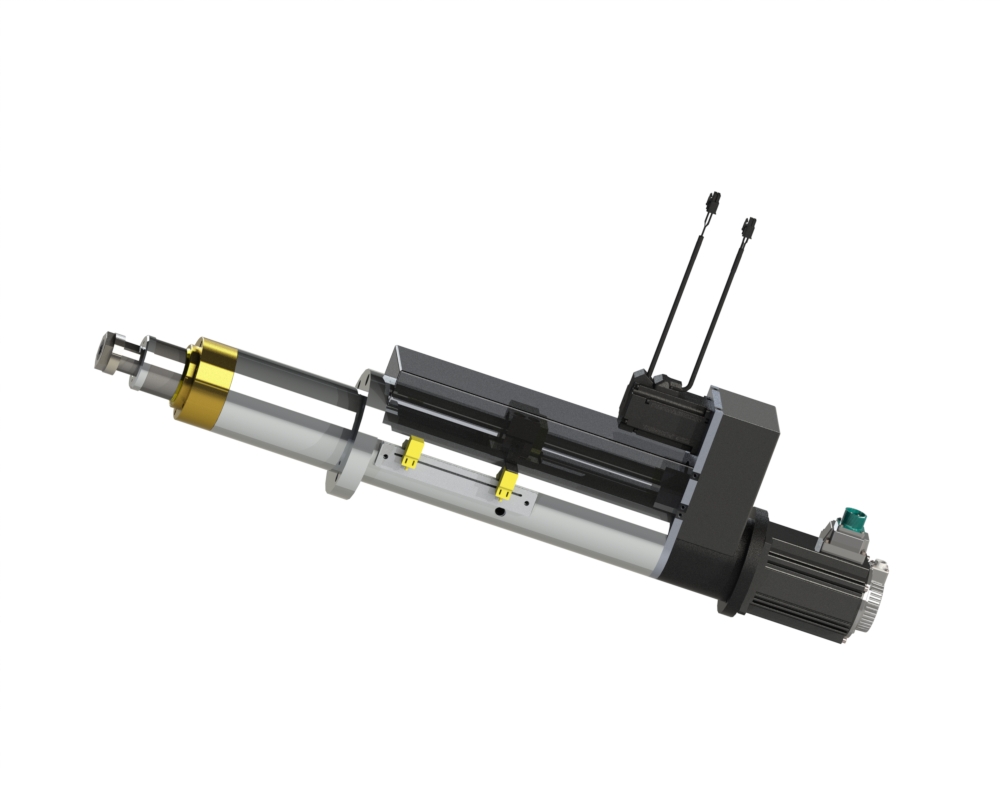
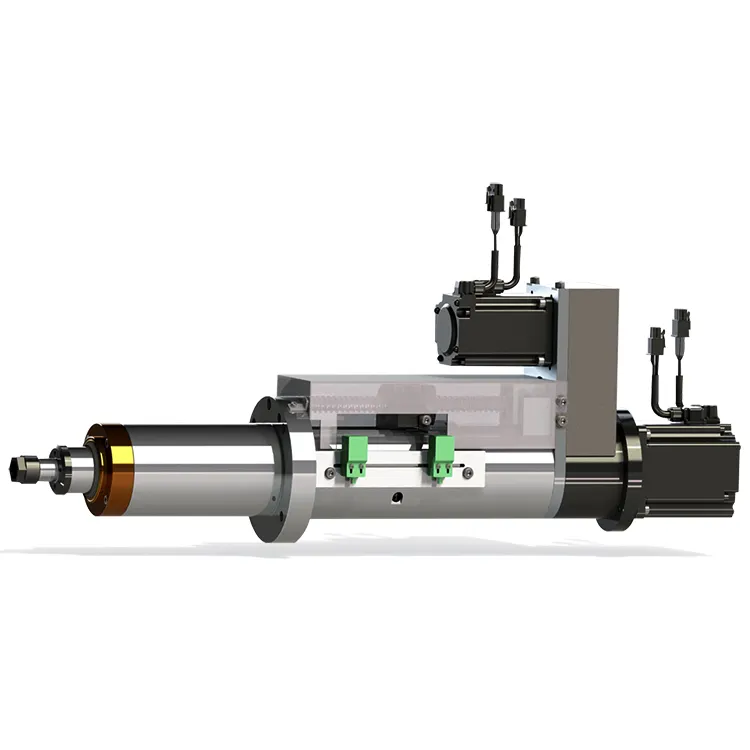
In the field of precision cutting with extremely high requirements, the performance of the drill bit cannot be achieved without a high-performance power system. A professional manufacturer represented by YSA, its cutting spindle head and cutting motor provide the core power guarantee for precision machining. YSA has been focusing on the research and development of high-speed spindles for 18 years. Its products are known for their high precision, low runout and stable performance, and are widely used in high-end manufacturing fields such as automobiles, aviation, and medical care. Its cutting motor has high dynamic balance characteristics and has significant precision and structural advantages in the cutting industry. For example, its HM608 2.2KW spindle, with a speed of 9000r/min, is specially designed for efficient sawing of aluminum and other profiles, which can increase the cutting efficiency to 2.5 times the original.
Systematic considerations for spindle cutting
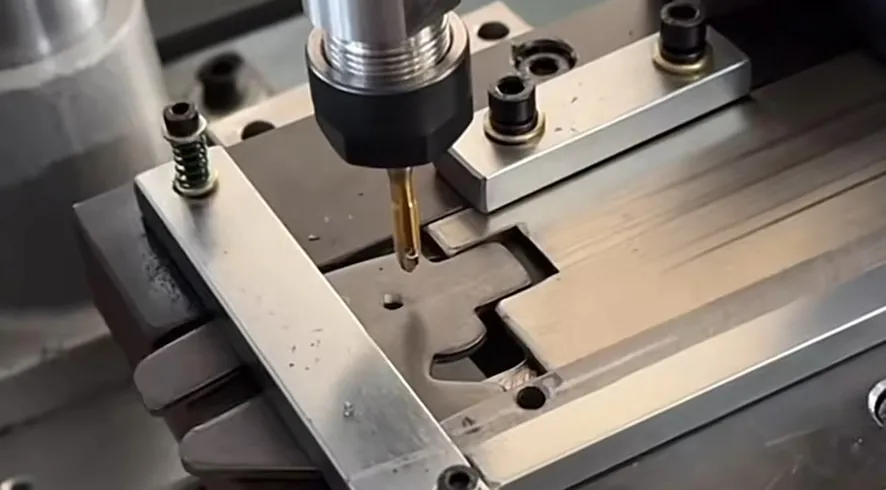
Achieving high-quality spindle cutting is a systematic project. In addition to selecting the right drill bit according to material science, it is also necessary to match the appropriate cooling lubrication (such as internal cooling structure for deep hole processing), optimize the geometric parameters (such as front and back angles), and select reliable power units. YSA's precision drilling and tapping power heads and other products support a maximum of 12000rpm speed and numerical control to set the pitch arbitrarily, reflecting the ability of the power head and the tool to cooperate to achieve high-precision and flexible machining.
summary
Drill bit selection is by no means random, but a precise decision based on material hardness, toughness, thermal conductivity and processing requirements. From general-purpose high-speed steel twist drills to high-end diamond-coated drills, there is a wide range of options. In modern manufacturing industries that pursue extreme precision and efficiency, precision cutting solutions such as YSA's - high-performance cutting spindle heads and motors - have become indispensable cornerstones for stable, efficient and high-quality spindle cutting. Combining scientific bit selection with a reliable power system can truly master the processing challenges of different materials.
 How to Select the Right YSA Servo Spindle for Your CNC Autom
  YSA BD03 High-Precision Dual Servo Drilling and Tapping Sp
  How to Properly Choose Drill Bits for Drilling Operations wi
  Detailed Explanation of Main Control Modes for Tapping Spin