
How to Properly Choose Drill Bits for Drilling Operations with Tapping Spindle Heads

page views :
release time : 2026-06-18

In automated precision machining, the quality of pre-drilled holes directly determines thread pass rate, tapping stability and tap service life when using tapping spindle heads. Many common machining issues including broken taps, flawed threads, loose fasteners and dimensional errors rarely stem from faulty tapping spindle heads, but rather mismatched drill bits. Selecting drill bits tailored to workpiece materials, thread standards and spindle performance is essential to maximize tapping spindle efficiency and consistent mass production. This guide covers standardized drill bit selection criteria for tapping spindle drilling tasks to help manufacturers eliminate processing risks while boosting precision and throughput. 1. Core Drill Bit Selection Rules for Tapping Spindles Unlike standalone drilling machines, tapping spindle heads feature synchronized spindle rotation and linear feed, demanding superior drill concentricity, hole surface finish and hole diameter precision. The golden standard for tapping drill sizing maintains a 70% to 75% thread engagement ratio, balancing tensile strength and tapping resistance. Undersized drill bits create narrow bottom holes that overload the tapping spindle, raising torque, generating excess heat and snapping taps. Oversized bits produce shallow thread teeth with insufficient engagement, leading to loose screw connections that fail assembly requirements. Drill bits must always be selected according to thread pitch and workpiece material instead of generic one-size-fits-all tools. 2. Drill Bit Selection Based on Workpiece Materials Aluminum alloy, copper and other soft non-ferrous metals are widely processed with automated tapping spindle heads. These ductile materials easily form burrs, deformed hole walls and built-up edge during drilling. Fully ground high-speed steel drill bits with sharp cutting edges are recommended. Optimized helix angles minimize material extrusion, deliver smooth hole surfaces and eliminate burr interference for subsequent tapping. A minor diameter increase of 0.05mm to 0.1mm further cuts tapping load for high-speed synchronized tapping spindles. Carbon steel, cast iron and stainless steel feature high hardness that accelerates drill edge wear and burning. Solid carbide drills or titanium-coated high-hardness drill bits are required. The rigid carbide body suppresses cutting vibration, guarantees perpendicular bottom holes and prevents spindle deflection during synchronized tapping, eliminating uneven thread stress and tap breakage. Fine-grain carbide drills are ideal for deep-hole stainless steel tapping to extend service life and sustain long-term dimensional accuracy. Plastic, bakelite and other lightweight insulating materials pair well with straight-shank fine high-speed steel drills. Light cutting action prevents material cracking and edge chipping, matching low-load stable tapping spindle operation. 3. Drill Bit Selection by Thread Specification Standard metric coarse threads such as M3, M4, M5 and M6 use high-precision straight-shank twist drills with diameters aligned to industry-standard bottom hole dimensions. These drills perfectly match default speed and feed parameters of automatic tapping spindle heads for reliable, high-volume tapping. Fine-pitch and micro precision threads have tight dimensional tolerances and shallow tooth profiles, requiring ultra-ground low-runout high-precision drill bits. Standard drills with excessive radial runout create inconsistent hole sizes and defective fine threads. Low-tolerance precision drills coordinate with closed-loop synchronized tapping spindle control to deliver micron-level drilling accuracy for new energy enclosures and electronic precision components. Heavy tapping on thick large-diameter workpieces calls for reinforced short-flute drill bits. Reinforced shank construction boosts rigidity, dampens drilling vibration and avoids tapping spindle jitter under heavy cutting loads to maintain uniform thread accuracy for large components. 4. Drill Bit Matching Based on Tapping Spindle Performance Mechanical synchronous tapping spindle heads have moderate precision and inherent mechanical backlash. Standard high-speed steel twist drills suffice, with primary focus on precise hole sizing to avoid excessive tapping torque. Single-servo rigid tapping spindles deliver stable speed and improved synchronization. Fully ground precision drills are advised to refine hole wall finish, reduce tap abrasion and extend cutting tool lifespan. Dual-servo high-precision tapping spindles serve high-end automated lines and robot-linked machining. Low-runout ultra-precision carbide drills are mandatory. Matching high-accuracy drill bits with premium spindle hardware unlock the full performance of electronic gear synchronous tapping, enabling zero-defect thread manufacturing for round-the-clock mass production. 5. Common Drill Selection Errors & Optimization Tips Most manufacturers reuse universal drill bits across all tapping applications, resulting in high reject rates and frequent tap failure. The most prevalent error involves applying identical drill diameters across all materials, causing built-up edge on soft metals and unmanageable tapping resistance on hard alloys. Continuing to operate with worn drill bits also creates irregular bottom holes that overload tapping spindles and disrupt full automation workflows. Factories should develop customized drill matching standards sorted by workpiece material and thread size. Regular inspection of drill wear and concentricity, paired with timely replacement of degraded tools, combined with calibrated tapping spindle speed and feed parameters establishes standardized drilling-tapping workflows. This structured process permanently lifts thread qualification rates, raises production output and slashes tool replacement and equipment maintenance costs. Keywords: tapping spindle head, tapping drill bit selection, automatic tapping machining, precision drill bits SEO Description: Complete guide on drill bit selection for tapping spindle head drilling and tapping. Match drill styles by workpiece material, thread specification and spindle performance to avoid broken taps and defective threads in automated precision tapping production.
related news
View more >>
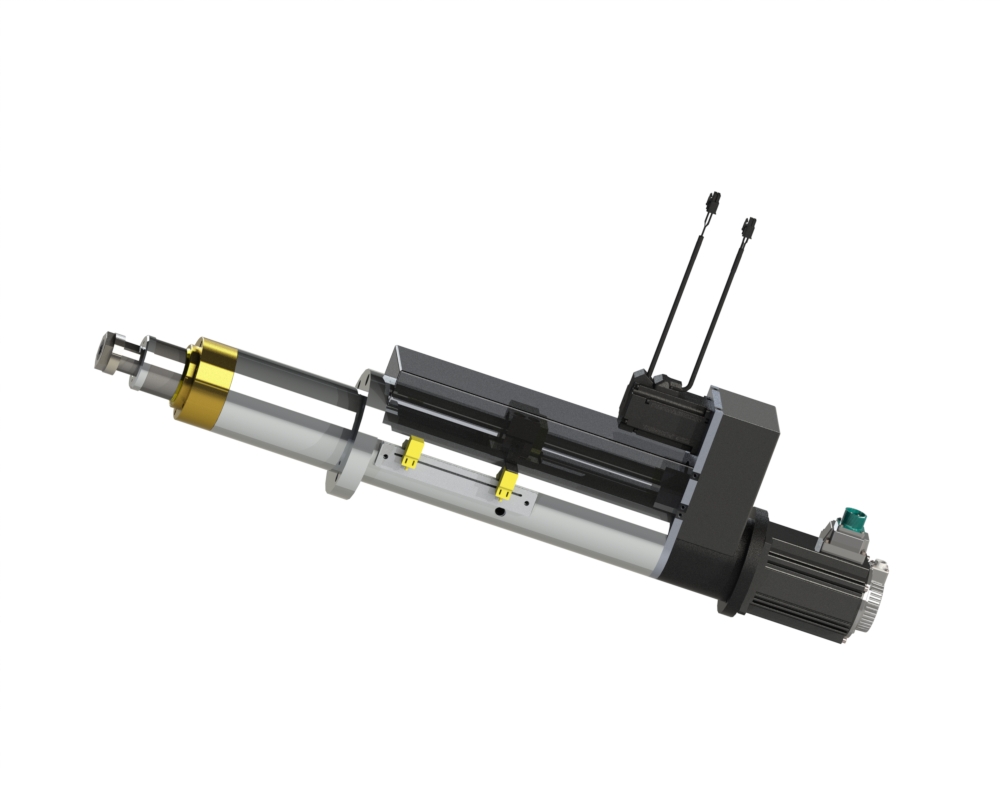
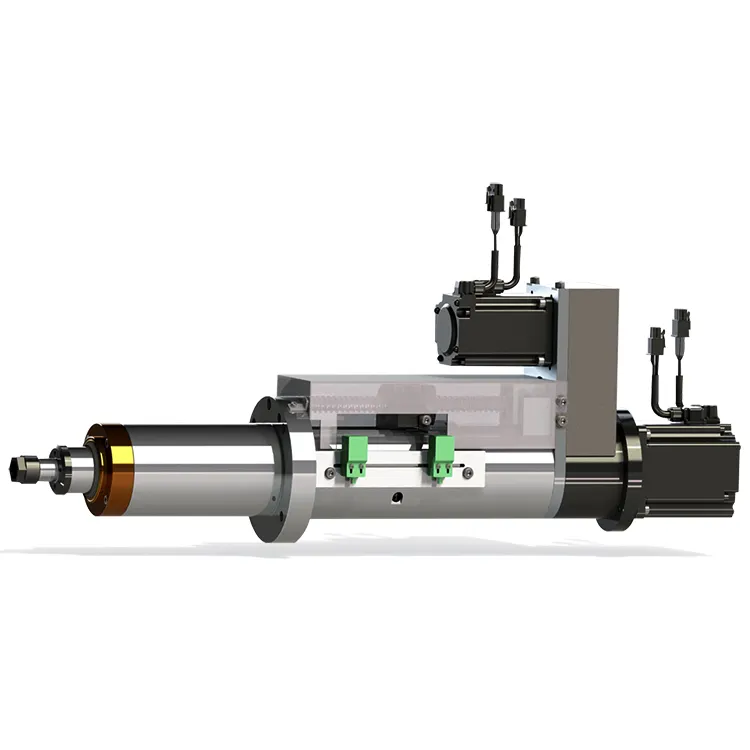
How to Select the Right YSA Servo Spindle for Your CNC Autom How to Select the Right YSA Servo Spindle for Your CNC Autom
07 .18.2026
Learn how to select the right YSA servo spindle (power head) for your CNC machining line. This expert guide covers machining capacity, 0.003mm precision, dual-servo structure, and custom motor integra...
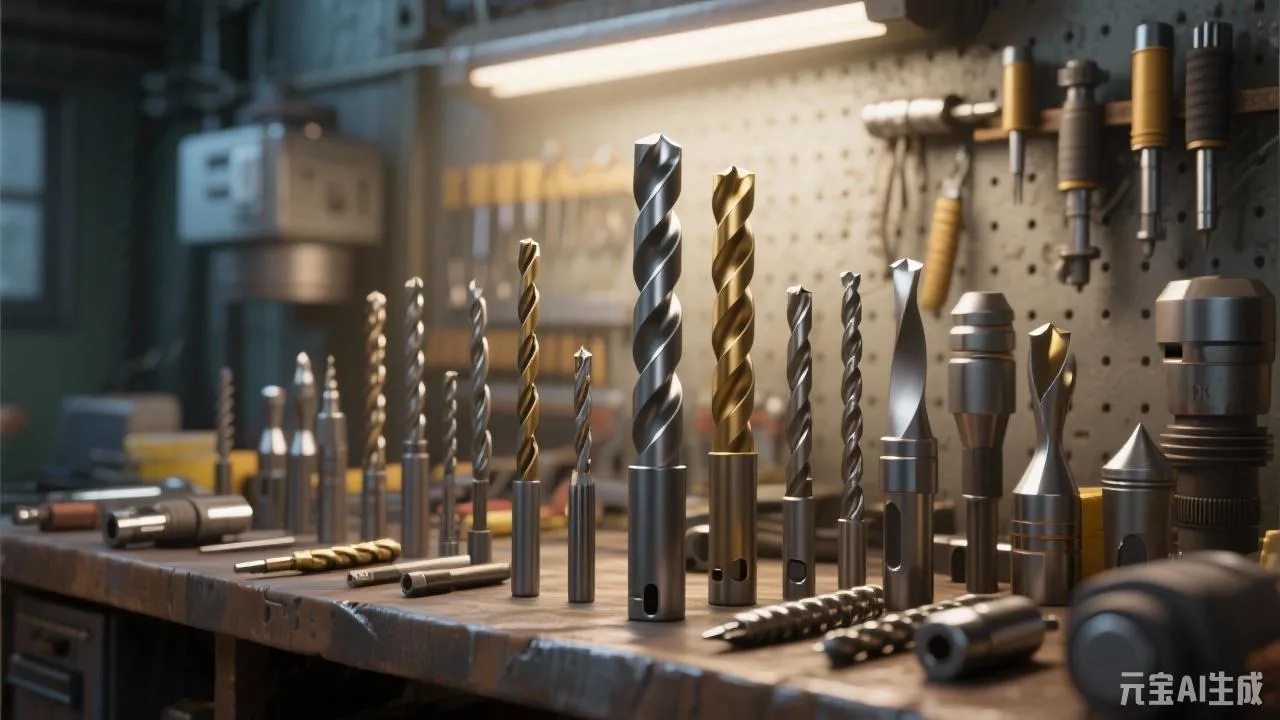
​ YSA BD03 High-Precision Dual Servo Drilling and Tapping Sp ​ YSA BD03 High-Precision Dual Servo Drilling and Tapping Sp
07 .18.2026
Discover the YSA BD03 dual servo drilling and tapping spindle. Featuring 12000 RPM max speed, maintenance-free design, and programmable CNC control. Engineered by Chuanneng Automation for high-precisi...
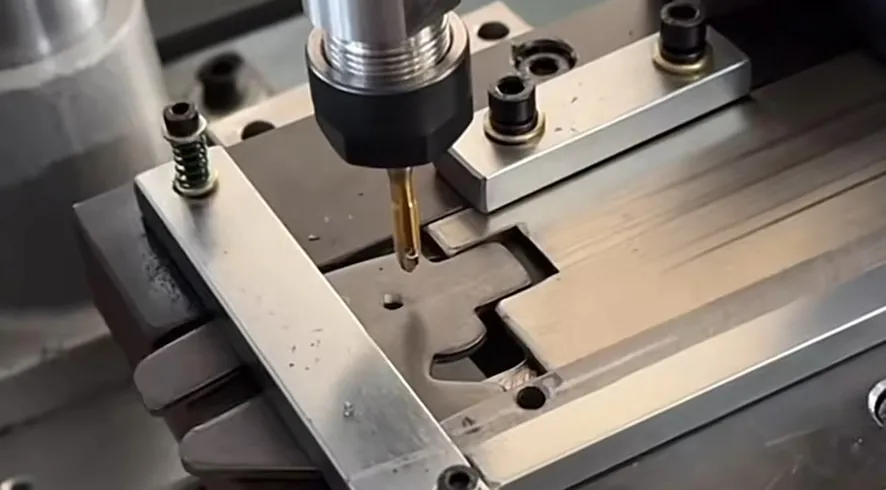
How to Properly Choose Drill Bits for Drilling Operations wi How to Properly Choose Drill Bits for Drilling Operations wi
06 .18.2026
Complete guide on drill bit selection for tapping spindle head drilling and tapping. Match drill styles by workpiece material, thread specification and spindle performance to avoid broken taps and def...
​Detailed Explanation of Main Control Modes for Tapping Spin ​Detailed Explanation of Main Control Modes for Tapping Spin
06 .16.2026
A full guide to three mainstream control modes for tapping spindle heads: mechanical lead screw, single-servo rigid tapping and dual-servo electronic gear synchronous control. Analyze principles, adva...
We use cookie to improve your online experience. By continuing to browse this website, you agree to our use of cookie.

Cookies

Please read our Terms and Conditions and this Policy before accessing or using our Services. If you cannot agree with this Policy or the Terms and Conditions, please do not access or use our Services. If you are located in a jurisdiction outside the European Economic Area, by using our Services, you accept the Terms and Conditions and accept our privacy practices described in this Policy.
We may modify this Policy at any time, without prior notice, and changes may apply to any Personal Information we already hold about you, as well as any new Personal Information collected after the Policy is modified. If we make changes, we will notify you by revising the date at the top of this Policy. We will provide you with advanced notice if we make any material changes to how we collect, use or disclose your Personal Information that impact your rights under this Policy. If you are located in a jurisdiction other than the European Economic Area, the United Kingdom or Switzerland (collectively “European Countries”), your continued access or use of our Services after receiving the notice of changes, constitutes your acknowledgement that you accept the updated Policy. In addition, we may provide you with real time disclosures or additional information about the Personal Information handling practices of specific parts of our Services. Such notices may supplement this Policy or provide you with additional choices about how we process your Personal Information.


Cookies

Cookies are small text files stored on your device when you access most Websites on the internet or open certain emails. Among other things, Cookies allow a Website to recognize your device and remember if you've been to the Website before. Examples of information collected by Cookies include your browser type and the address of the Website from which you arrived at our Website as well as IP address and clickstream behavior (that is the pages you view and the links you click).We use the term cookie to refer to Cookies and technologies that perform a similar function to Cookies (e.g., tags, pixels, web beacons, etc.). Cookies can be read by the originating Website on each subsequent visit and by any other Website that recognizes the cookie. The Website uses Cookies in order to make the Website easier to use, to support a better user experience, including the provision of information and functionality to you, as well as to provide us with information about how the Website is used so that we can make sure it is as up to date, relevant, and error free as we can. Cookies on the Website We use Cookies to personalize your experience when you visit the Site, uniquely identify your computer for security purposes, and enable us and our third-party service providers to serve ads on our behalf across the internet.

We classify Cookies in the following categories:
 ●  Strictly Necessary Cookies
 ●  Performance Cookies
 ●  Functional Cookies
 ●  Targeting Cookies


Cookie List
A cookie is a small piece of data (text file) that a website – when visited by a user – asks your browser to store on your device in order to remember information about you, such as your language preference or login information. Those cookies are set by us and called first-party cookies. We also use third-party cookies – which are cookies from a domain different than the domain of the website you are visiting – for our advertising and marketing efforts. More specifically, we use cookies and other tracking technologies for the following purposes:

Strictly Necessary Cookies
These cookies are necessary for the website to function and cannot be switched off in our systems. They are usually only set in response to actions made by you which amount to a request for services, such as setting your privacy preferences, logging in or filling in forms. You can set your browser to block or alert you about these cookies, but some parts of the site will not then work. These cookies do not store any personally identifiable information.

Functional Cookies
These cookies enable the website to provide enhanced functionality and personalisation. They may be set by us or by third party providers whose services we have added to our pages. If you do not allow these cookies then some or all of these services may not function properly.

Performance Cookies
These cookies allow us to count visits and traffic sources so we can measure and improve the performance of our site. They help us to know which pages are the most and least popular and see how visitors move around the site. All information these cookies collect is aggregated and therefore anonymous. If you do not allow these cookies we will not know when you have visited our site, and will not be able to monitor its performance.

Targeting Cookies
These cookies may be set through our site by our advertising partners. They may be used by those companies to build a profile of your interests and show you relevant adverts on other sites. They do not store directly personal information, but are based on uniquely identifying your browser and internet device. If you do not allow these cookies, you will experience less targeted advertising.

How To Turn Off Cookies
You can choose to restrict or block Cookies through your browser settings at any time. Please note that certain Cookies may be set as soon as you visit the Website, but you can remove them using your browser settings. However, please be aware that restricting or blocking Cookies set on the Website may impact the functionality or performance of the Website or prevent you from using certain services provided through the Website. It will also affect our ability to update the Website to cater for user preferences and improve performance. Cookies within Mobile Applications

We only use Strictly Necessary Cookies on our mobile applications. These Cookies are critical to the functionality of our applications, so if you block or delete these Cookies you may not be able to use the application. These Cookies are not shared with any other application on your mobile device. We never use the Cookies from the mobile application to store personal information about you.

If you have questions or concerns regarding any information in this Privacy Policy, please contact us by email at . You can also contact us via our customer service at our Site.


Product Inquiry