
How to Perform Torque Testing in Thread Processing for High-Quality Machining
How to Perform Torque Testing in Thread Processing for High-Quality Machining
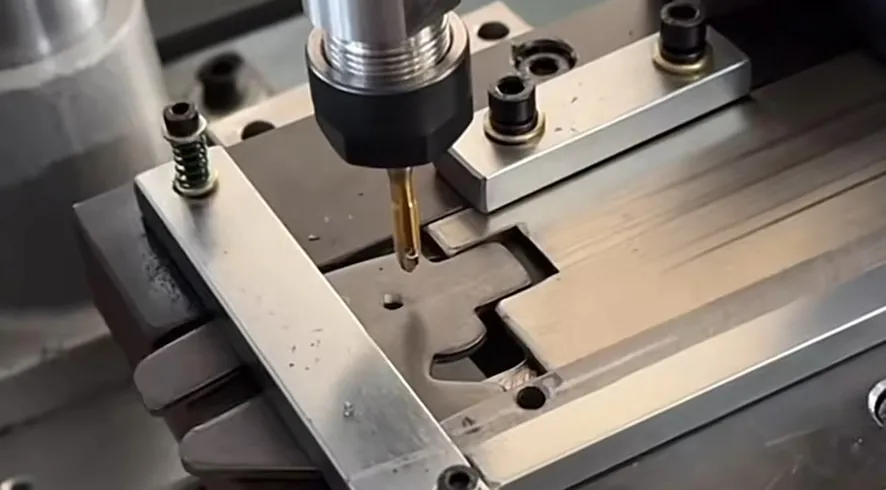
In precision CNC machining, thread processing is one of the most critical and delicate operations. Whether you are manufacturing automotive parts or aerospace components, the quality of the threads directly affects the final assembly and product lifespan. One of the most effective ways to ensure thread quality and prevent tap breakage is through proper torque testing. As a manufacturing professional, I often see factories struggling with inconsistent thread quality. Today, I will share how to properly perform torque testing in thread processing and how the right equipment makes a difference.
Why Torque Testing Matters in Thread Processing
When a tap cuts into a workpiece, it encounters resistance. This resistance generates torque. If the torque is too high, the tap can break, causing expensive scrap parts and machine downtime. If the torque is too low or fluctuates, it usually indicates a worn tool or incorrect cutting parameters, leading to poor thread engagement. By conducting regular torque testing, machinists can monitor the cutting condition in real time, optimize cutting parameters, and extend tool life.
Step-by-Step Guide to Torque Testing
To get accurate results, you need a systematic approach. Here is how we usually do it on the shop floor.
First, select the right torque measuring equipment. You will need a digital torque tester or a torque sensor integrated into the spindle setup. Ensure the sensor's capacity matches the expected torque range of your tapping operation.
Second, prepare the workpiece and the tap. Make sure the pre-drilled hole is accurate in diameter. A hole that is too small will cause a massive spike in torque. Install the tap securely into the chuck.
Third, set up the testing parameters. Input the tapping speed, thread size, and material type into the torque tester. It is highly recommended to use a servo-driven setup for this, as a standard servo power head provides much better speed and torque control compared to traditional pneumatic units.
Fourth, execute the test. Start the tapping cycle. The torque tester will record the torque values during both the cutting and reversing strokes. Pay close attention to the peak torque and the average torque.
Fifth, analyze the data. Compare the recorded torque with the standard baseline for that specific material and thread size. If the torque is consistently high, check your tap for wear or adjust the pre-drill size. If the torque fluctuates wildly, check the machine rigidity and the chuck connection.
The Role of Advanced Tapping Equipment in Torque Control
While testing is important, controlling the torque during the actual machining process is where the real quality is built. This is where your choice of power heads plays a massive role.
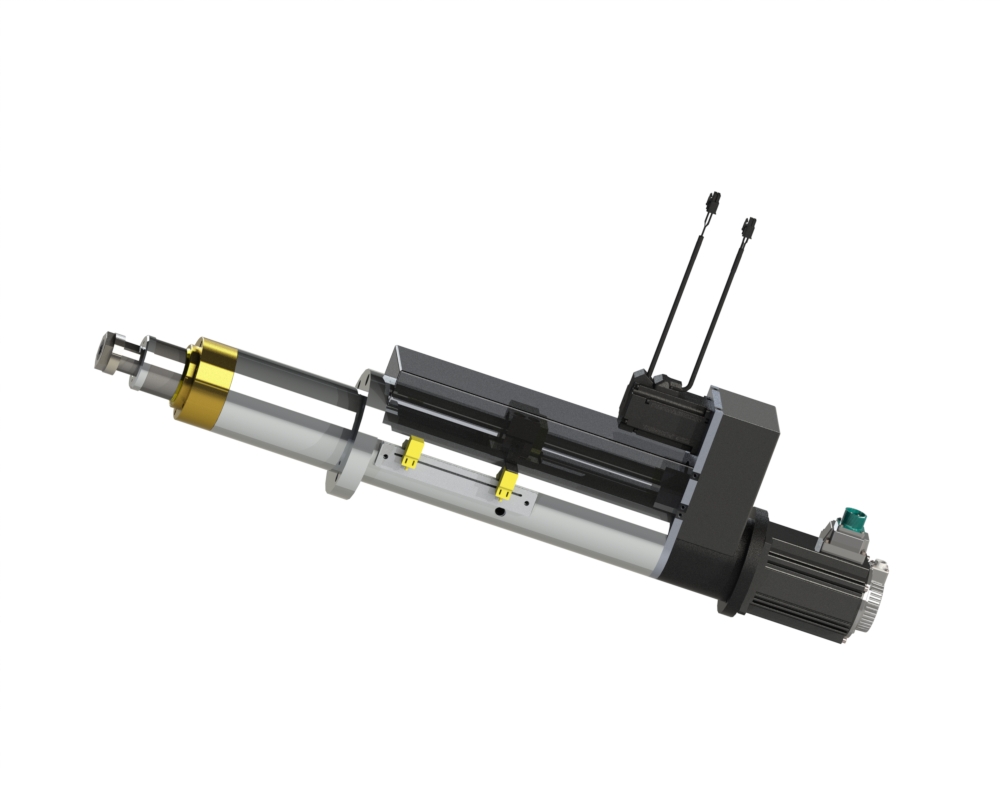
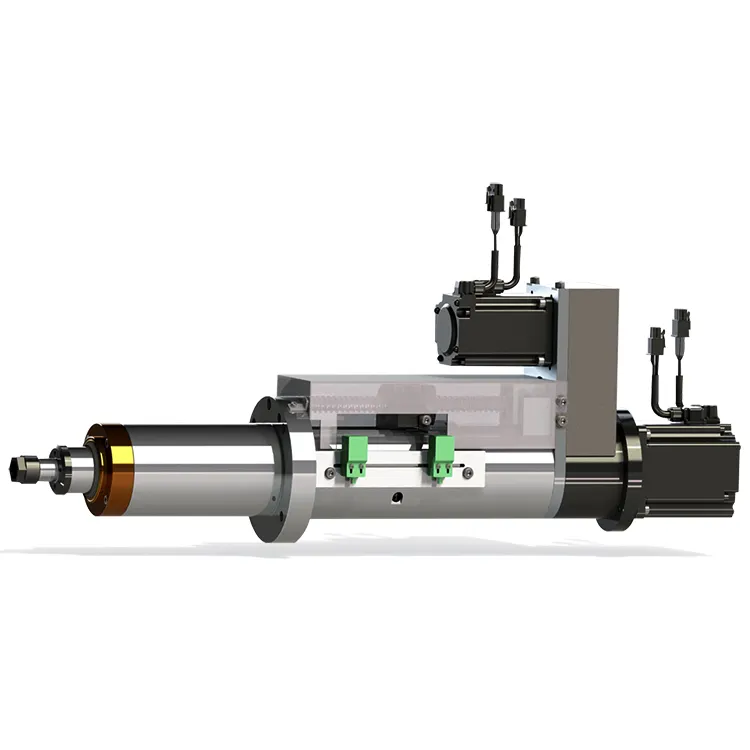
Using a high-precision tapping power head or a dedicated thread tapping power head allows for synchronized feeding and spindle rotation, which drastically reduces radial torque fluctuations. When dealing with complex parts that require both hole making and threading, upgrading to a dual servo drilling power head and a dual servo tapping power head system can significantly improve your process capability. A dual servo tapping power head, in particular, uses independent servo motors for spindle rotation and Z-axis feeding. This independent control ensures that the torque applied to the tap is perfectly matched with the feed rate, resulting in extremely stable torque readings during your testing phase and perfect threads in the final product.
Conclusion
Torque testing in thread processing is not just a quality check; it is a vital process control method. By understanding how to measure and analyze tapping torque, and by equipping your machines with advanced servo power heads and tapping power heads, you can achieve zero-defect thread machining. If you are looking to upgrade your machining center with reliable dual servo drilling power heads or dual servo tapping power heads to improve your torque consistency, feel free to contact our engineering team for a customized solution.
 How to Perform Torque Testing in Thread Processing for High-
  Here are five critical precautions for deep hole drilling wi
  How to Select the Right YSA Servo Spindle for Your CNC Autom
  YSA BD03 High-Precision Dual Servo Drilling and Tapping Sp