
Analyse des Anwendungsszenarios von Schneidspindelmotoren ermöglicht effizientes Präzisionsschneiden in mehreren Branchen
The 3C electronics industry is one of the core application scenarios for cutting spindle motors and a typical field where servo power heads and cutting spindle motors work in synergy. As 3C products trend toward thinner, lighter, and more precise designs, the cutting processes for components like smartphone frames, laptop casings, and smart wearable device parts demand extremely high precision and efficiency. The combination of cutting spindle motors with servo power heads enables stepless and precise speed regulation, seamlessly switching from thousands to tens of thousands of RPM, perfectly adapting to various 3C materials such as aluminum alloy, stainless steel, glass, and ceramics. Whether it's precision slotting for smartphone frames, edge trimming for laptop casings, or micro-hole cutting for smartwatch dials, the closed-loop control of servo power heads and the high-speed, stable operation of cutting spindle motors achieve micron-level cutting accuracy, effectively avoiding issues like burrs and dimensional deviations while significantly improving production effi ciency. This setup meets the core demands of mass production in the 3C industry, making it an essential component for precision manufacturing lines.
The rapid development of the new energy vehicle (NEV) industry has also opened up vast application opportunities for cutting spindle motors. Their collaborative use with servo power heads further promotes standardization and efficiency in processing NEV components. In the manufacturing of battery packs, motor housings, and electronic control casings for NEVs, high-precision cutting, slotting, and chamfering of materials like aluminum alloy and high-strength steel are required. With robust power output from cutting spindle motors and precise feed control from servo power heads, complex processes such as thick-plate cutting and irregular-shaped part cutting can be achieved, ensuring smooth cutting surfaces and accurate dimensions to meet the high consistency demands of NEV components. Additionally, in the cutting of automotive interior parts and charging pile components, the combination of cutting spindle motors and servo power heads adapts to various material requirements, balancing efficiency and precision to help the NEV industry reduce costs and improve productivity.
The woodworking and panel furniture industry is a traditional stronghold for cutting spindle motors, and the integration of servo power heads has upgraded traditional wood cutting from rough to precision processing. In the production of panel furniture, solid wood flooring, and custom furniture, cutting spindle motors paired with servo power heads enable integrated processes like precise board cutting, slotting, and drilling. Whether for batch cutting of particleboard and MDF or precision cutting of solid wood, the system delivers stable performance, preventing issues like chipping and cracking. Moreover, the precise control capabilities of servo power heads allow flexible adjustments to cutting paths, catering to the personalized needs of custom furniture production. This significantly enhances the intelligence level of furniture manufacturing, reduces manual errors, and drives the woodworking industry toward automation and standardization.
Beyond these sectors, cutting spindle motors are widely used in aerospace, medical devices, hardware products, and other fields, all benefiting from synergy with servo power heads. In aerospace component processing, they enable precision cutting of challenging materials like titanium and high-temperature alloys. In the medical device sector, they facilitate precise cutting and shaping of instrument components. In the hardware industry, they ensure efficient cutting and processing of metal sheets and tubes.
From precision electronics to heavy manufacturing, from mass production to custom solutions, cutting spindle motors—leveraging their core advantages of high-speed stability and precise controllability—continue to expand their application boundaries with the support of servo power heads. They serve not only as the core power source for cutting processes but also as a critical enabler of automation and precision upgrades across industries. As manufacturing continues to advance, they will play an increasingly vital role in high-end processing scenarios, working alongside servo power heads to inject robust momentum into the high-quality development of "Made in China."
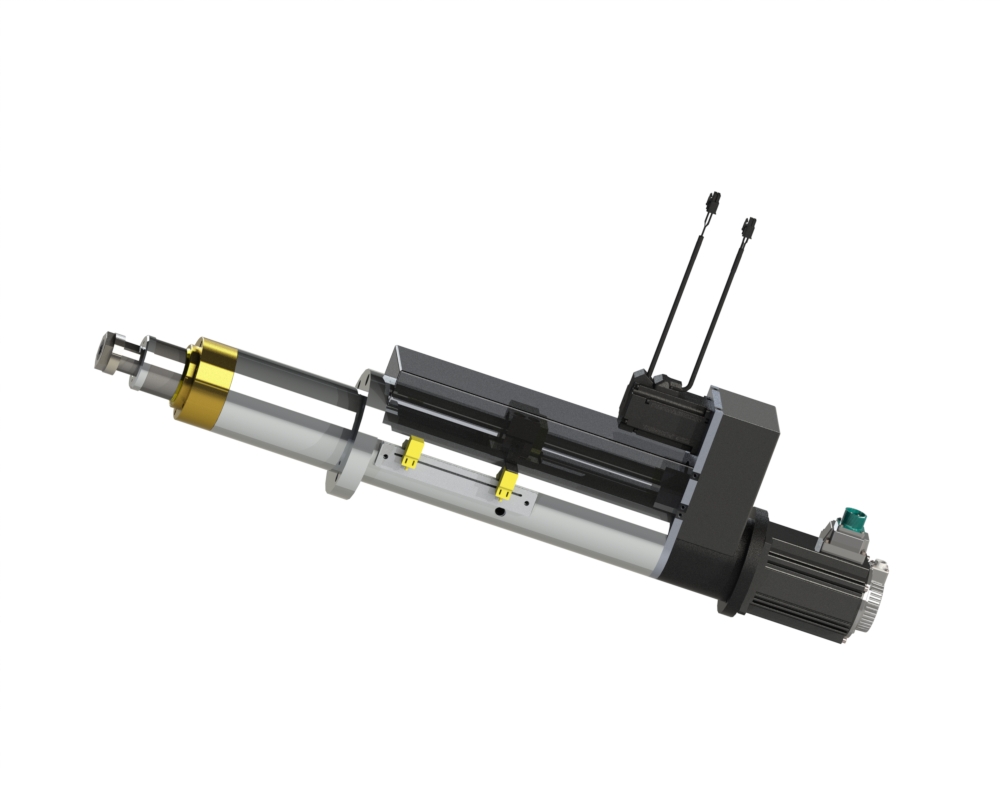 How to Select the Right YSA Servo Spindle for Your CNC Autom
 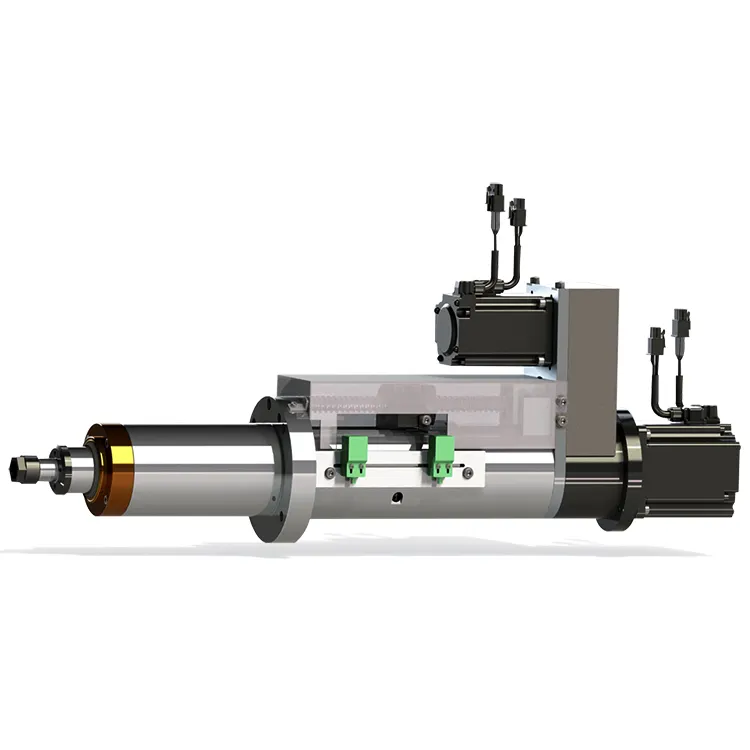 YSA BD03 High-Precision Dual Servo Drilling and Tapping Sp
  How to Properly Choose Drill Bits for Drilling Operations wi
 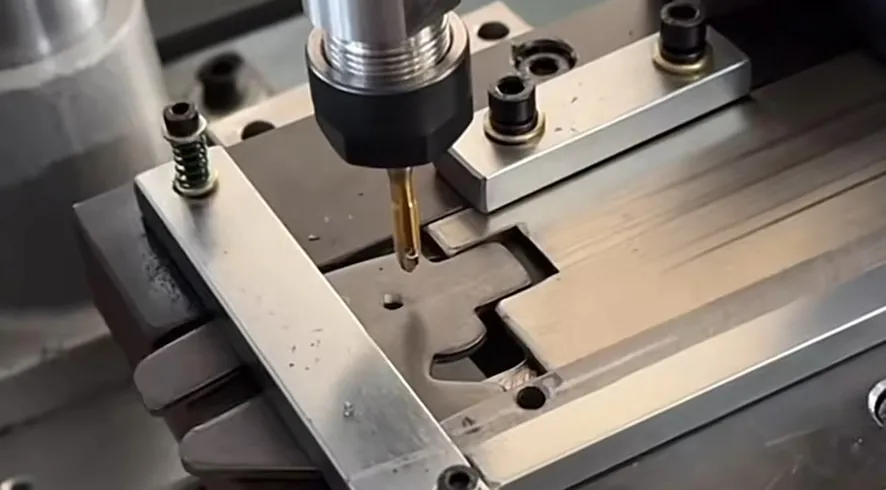 Detailed Explanation of Main Control Modes for Tapping Spin